Genres:
Sold by Booksmandala NepalLimited stock available
Synopsis
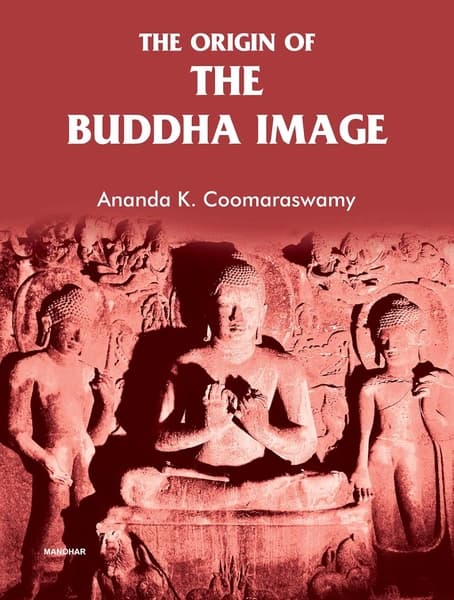
The image of Buddha in Gandhara style depicted in the padmasana pose, is one of the most popular images of the world. This image is connected with the symbol of Buddhism apart from the Ashoka Chakra. Throughout ancient India, Buddha's image gained popularity in y formation of Mahayana Buddhism. The major question that comes forth is how this art came into being during ancient times. This small volume on Buddhist art by Coomaraswamy challenge the notion that Buddha's image did not emerge from the Indo-Greek and other non-indi, styles like Kushana or Bactrian. He asserts that Buddha's icon and its representation in various forms, found in monuments, sculptures, and other archaeological structures, was prevalent an the pre-existing Indian art forms. The book discusses the symbolisms, necessity of Buddha's image, and anthropomorphic iconography in the creation of Buddha's icons available in any India, and talks about the differences in Indian and historicity of Gandhara and Mathura nit. Top author writes further that Gandhara art is Indic, and not European. This book baghey recommended for scholars and researchers interested in Buddhist art.
Other info
Page Count
42 Pages
Weight
430g
ISBN
9788119139644
Language
English
Ratings & Reviews(0)


AdvertisementAds